
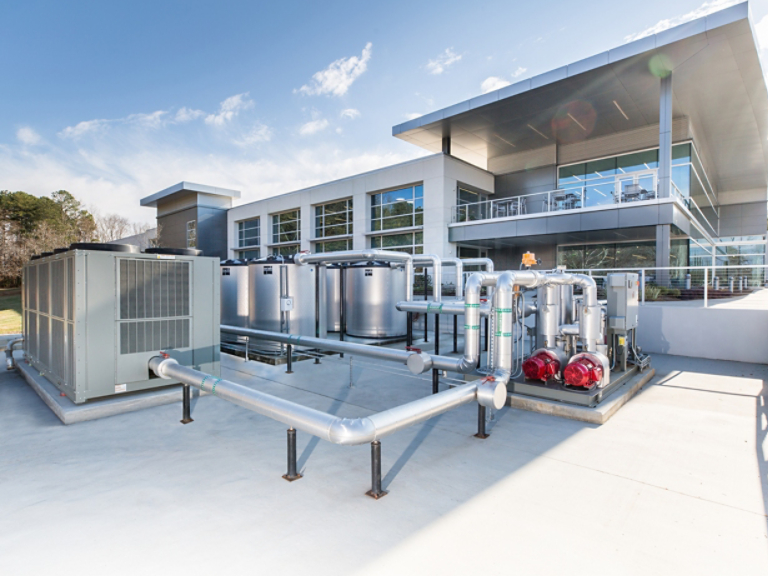
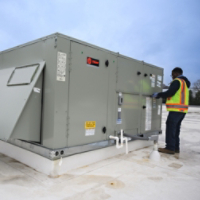

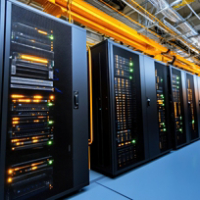
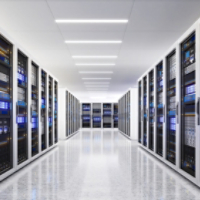
Data center cooling methods include air cooling, liquid cooling, in-row cooling, rear door heat exchangers, chilled water systems, direct expansion (DX) cooling and economization or free cooling. Some data centers have hybrid cooling strategies that employ multiple cooling methods. Each data center cooling solution is designed to manage heat, improve efficiency and support reliable IT performance.
Data Center Cooling Systems, Controls and Services for Scalable AI Infrastructure
Trane brings equipment, controls and services together across the cooling path to support high-density data center environments.
Why Choose Trane
Supporting AI Infrastructure with Right-fit Data Center Solutions
Trane brings cooling equipment, controls, services and system-level solutions together to help data centers manage changing thermal demands, energy and water strategies, and long-term growth. Built for more than startup, Trane offerings help accelerate deployment, simplify maintenance, support future upgrades and align with long-term modernization needs as densities and operating requirements evolve.
-

Support higher-density AI workloads
Trane integrated data center cooling systems help you manage heat across air, liquid and chilled water paths as workloads and rack densities change.
-

Scale capacity as demand grows
Our data center solutions can be planned together to help you add capacity across phases, campuses and future expansion needs.
-

Balance air and liquid cooling
Our connected product portfolio supports hybrid cooling strategies as data halls shift between air cooling and liquid cooling needs.
-

Use energy and water more strategically
Trane helps you match cooling technologies to your site goals, including energy use, water strategy, ambient conditions and sustainability priorities.
-

Plan systems with more clarity
Our integrated approach aligns cooling equipment, controls and services to support your application, site constraints, sustainability goals and long-term operating plan, while enabling system-level visibility, coordinated optimization and faster response as needs change.
-

Expertise supporting performance over the system lifecycle
Trane data center specialists help you plan, commission, maintain and optimize cooling systems to reduce performance drift, improve long-term reliability and support proactive maintenance and modernization from startup through long-term operation.
Coolant Distribution Units
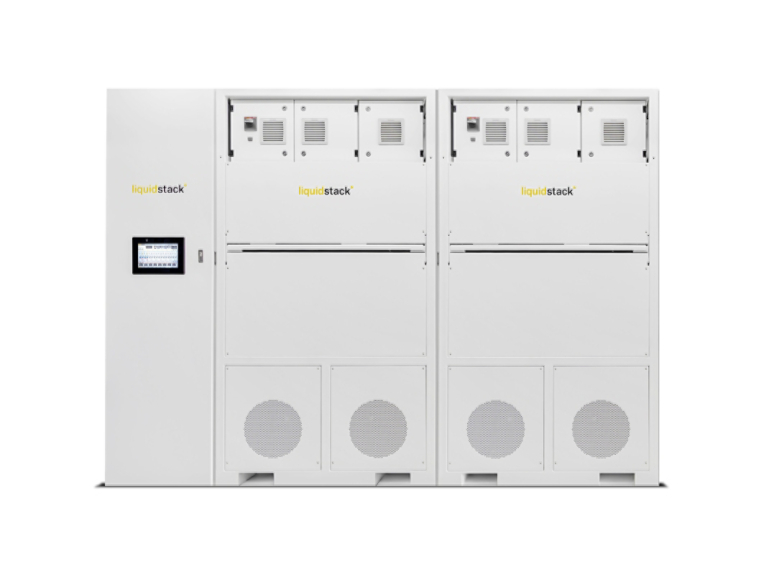
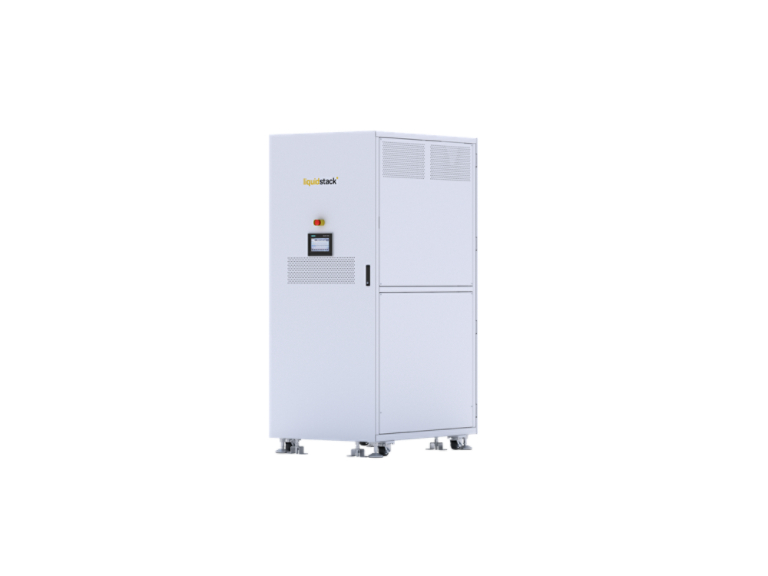
Trane coolant distribution units (CDUs) help you deploy and scale liquid cooling for AI, high-performance computing and high-density environments, with direct-to-chip cooling distribution up to 14 MW. CDUs can help compress construction schedules, reduce field variability and support a faster path from installation to operation.
GigaModular™ modular coolant distribution unit helps AI, HPC, and hyperscale data centers scale liquid cooling faster with centralized control and 2.5MW modular growth.
CDU-1MW is a high-capacity coolant distribution unit for AI infrastructure, combining resilient controls, serviceable design, and high-density cooling performance.
Data Center Chillers
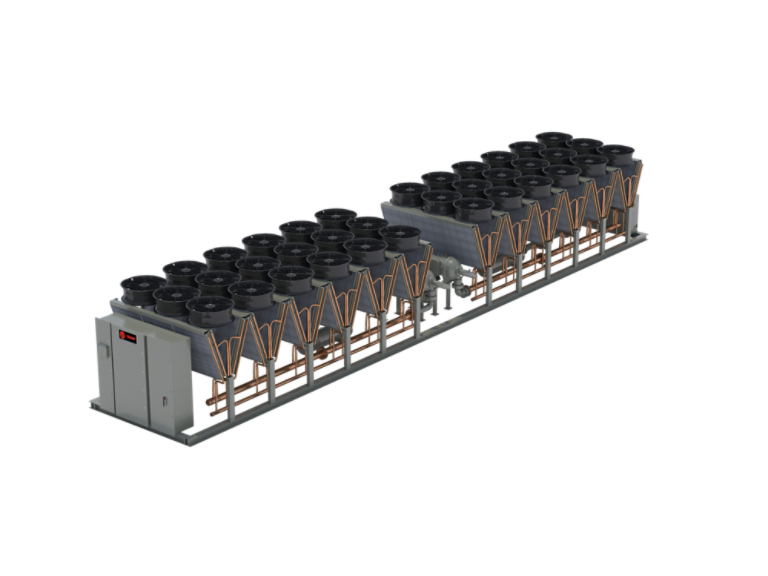
Trane data center chillers support scalable, energy-efficient cooling with air-cooled and water-cooled options, free cooling, rapid restart, low-GWP refrigerants and high-ambient performance.
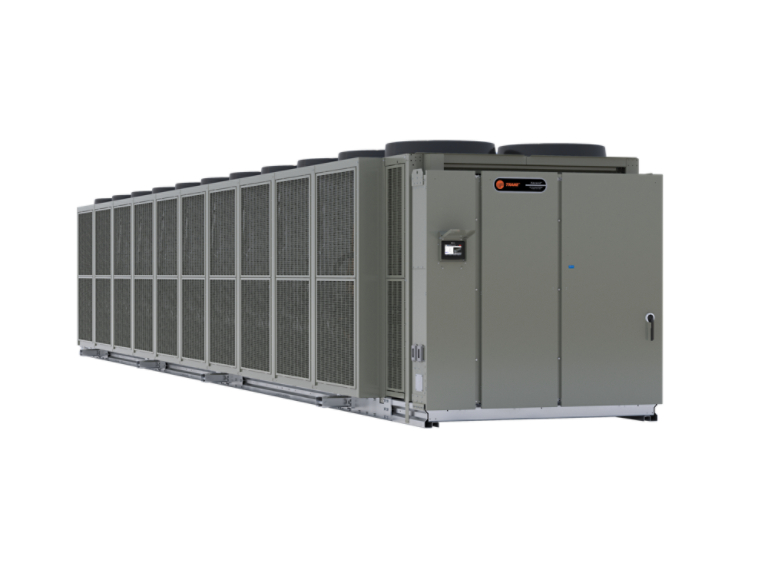
Ascend™ Air-Cooled Data Center Chiller
Discover Trane Ascend ACR data center chiller: up to 2MW cooling capacity, integrated free cooling, high-ambient temperature operation, and zero water waste.
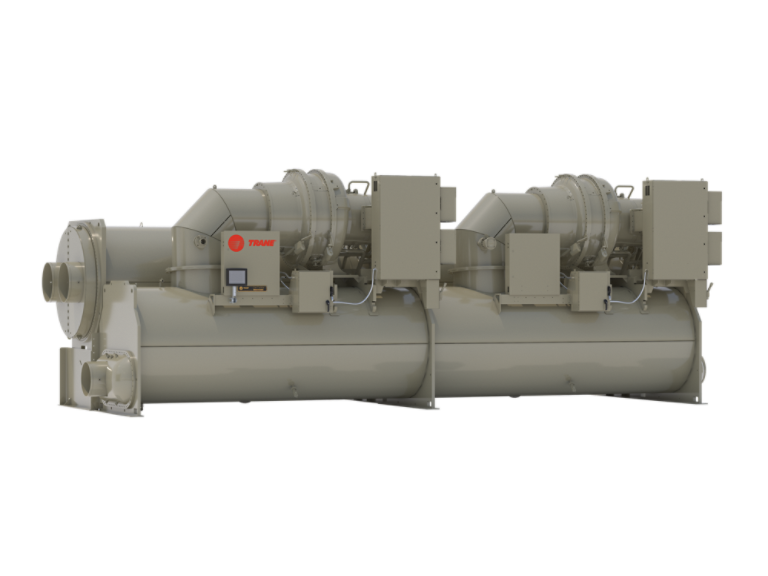
CenTraVac® Water-Cooled Data Center Chillers
CenTraVac® water-cooled data center chillers deliver up to 21MW of cooling with rapid restart, wide operating flexibility, and ultra-low-GWP R-1233zd efficiency.Trane CenTraVac water-cooled centrifugal chillers feature a time-tested low-pressure design utilizing ultra-low GWP refrigerants R-514A and R-1233zd.
Air-Cooled Magnetic Bearing Chiller
Maximize cooling efficiency and reduce costs with Trane’s Air-Cooled Magnetic Bearing Chiller. Ideal for data centers, it offers advanced control and sustainability. Request a quote today!
Data Center Air Handling Units
Trane data center air handlers provide high-capacity cooling for hyperscale and colocation facilities, with modular designs, compact footprints and factory-installed controls that support precise temperature management.
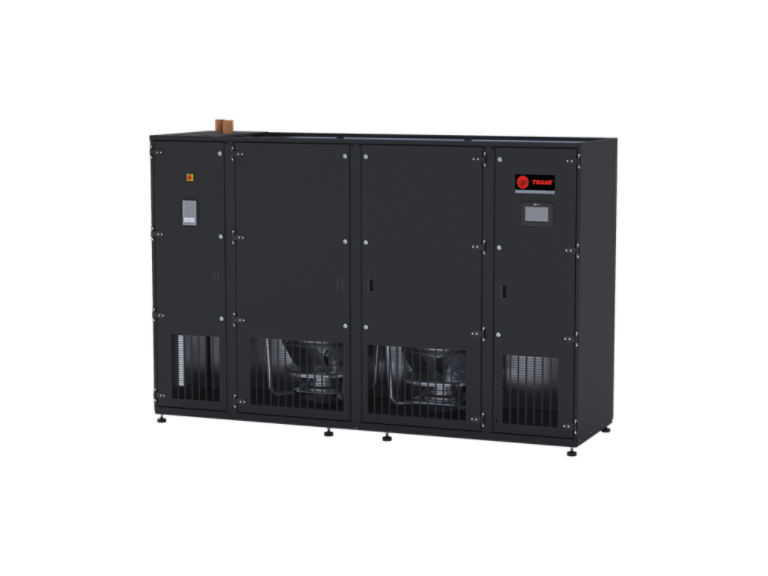
Computer Room Air Handler for Data Centers
Trane’s Computer Room Air Handler (CRAH) is essential for cooling central IT infrastructure, ensuring stable and reliable operation of critical equipment.
Fan Coil Wall for Data Centers
Trane's data center fan wall units maintain precise temperature and humidity in server rooms, helping mission-critical data center uptime and reducing energy consumption.
Advanced Data Center Cooling Systems
Trane chilled water systems and thermal energy storage solutions help data centers manage cooling capacity, reduce peak demand, use energy more strategically and support efficient operation over time.
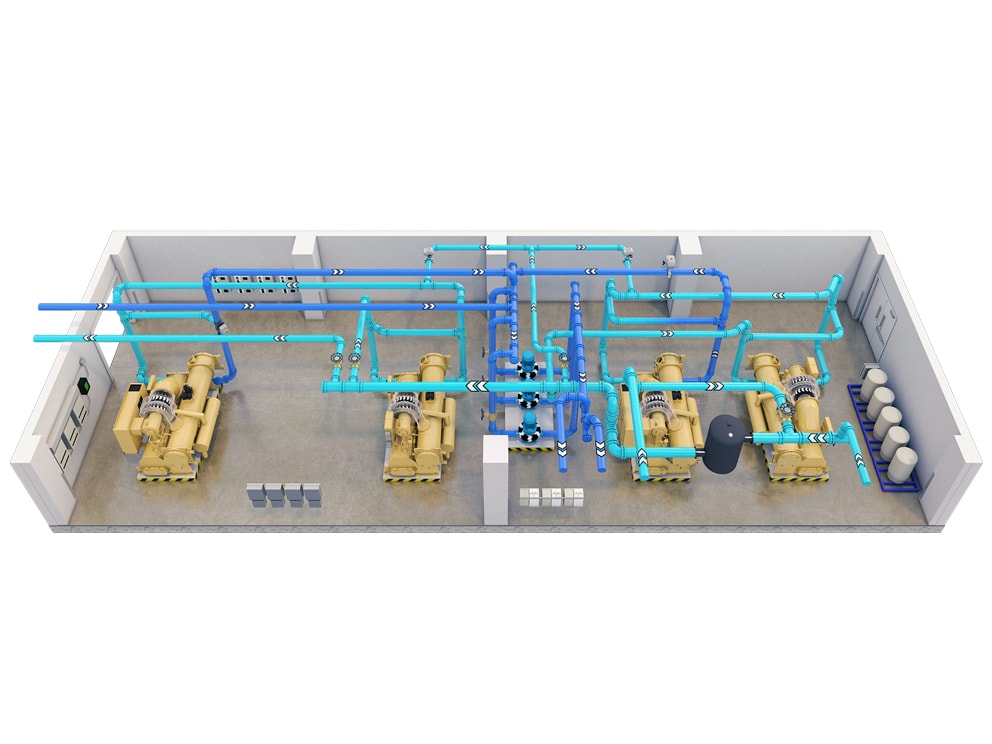
Comprehensive Chilled Water Systems
Comprehensive chilled-water systems employ best practices in chiller plant design that align with current industry guidance for achieving high performance cooling, heating, and ventilation, all while reducing first cost.
Thermal Battery Energy Storage Systems
Trane® Thermal Battery™ Storage systems help lower utility bills, increase sustainability, and provide greater operational flexibility by integrating thermal energy storage.
Data Center Optimization Services
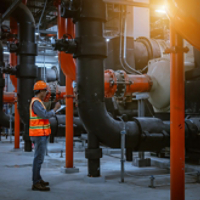
Trane data center services are designed to prevent downtime and ensure optimal performance, from commissioning and retrofits to maintenance and long-term service plans.
-
Building Optimization and Performance
Trane’s building optimization solutions utilize monitoring, energy efficiency measures, and AI technologies to boost your building performance and sustainability. -
Trane brings system-level thinking and trusted expertise to turn chiller plant management into a performance multiplier—helping you move faster, run cooler and stay ready for what’s next.
-
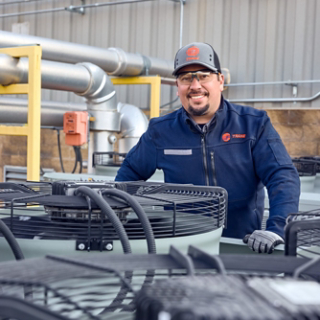
Maintenance and Repair Services
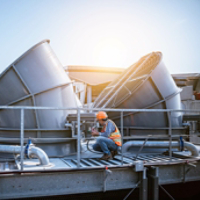
Maintenance and repair services help commercial buildings run efficiently, minimize downtime, and extend equipment life with expert HVAC and facility support. -
Ensure optimal performance with expert HVAC start up and commissioning services. Our team provides comprehensive HVAC commissioning for new systems, maximizing efficiency, reliability, and comfort from day one.
-
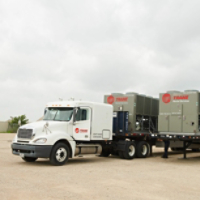
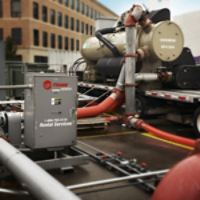
Reliable HVAC and power rental solutions for commercial, industrial, or emergency needs with fast delivery, expert setup, and professional support.
Reference Designs
Accelerate data center cooling infrastructure with Trane reference designs
Our engineer-ready data center reference designs include detailed system layouts, temperature and flow data, and best practices for integrating air- and liquid-cooling, optimizing redundancy and maximizing free cooling. Use them as a proven blueprint to accelerate data center design, reduce water usage, and balance performance with energy efficiency.
Insights
Browse our latest insights on data center cooling strategies & support services.
-
Optimizing Cooling Power for AI Workloads: A Reference Design Approach
A look at holistic cooling strategies and reference designs that cut peak power, boost efficiency, and optimize AI-ready data center performance. -
6 Ways Trane Rental Services Supports Data Center Operations
Learn how Trane Rental Services can help data centers maintain uptime, support commissioning, overcome delays, and keep construction and operations running smoothly with rapid, engineered temporary cooling and testing solutions. -
Data Center Service Level Agreements
Enhance data center uptime and efficiency with proactive maintenance, predictive insights, and smart digital tools. Trane’s service level agreements boost reliability, reduce costs, and support long-term sustainability. -
Waste Heat Recovery for Data Centers
Esti Tierney, Product Manager - Centrifugal Chillers for Trane, explores how to give purpose to all the power and energy we already have and turn it into a strategic advantage. -
S2E4: Data Centers: Hot Servers, Cool Solutions
Today, Sam Brown, Chief Development Officer at Serverfarm, joins hosts Charlie Jelen and Dan Gentry for a deep dive into the world of data centers. -
Rethinking Water Usage in Data Centers
Water consumption is a critical design factor for larger data center designs seeking a balance between power and water usage.
Frequently Asked Questions About Data Center Cooling Systems
Data center cooling works by removing heat generated by servers, storage and networking equipment. Cooling systems control temperature, airflow, and humidity using technologies such as computer room air conditioners (CRACs), computer room air handlers (CRAHs), liquid cooling and containment strategies to protect uptime and equipment performance.
Calculating data center cooling requirements involves several steps to manage the heat generated by IT equipment.
- First, determine the total power consumption of all equipment in kilowatts (kW), including servers, storage, and networking devices.
- Convert this power consumption into heat load, with one kW equivalent to approximately 3,412 BTUs per hour.
- Calculate the cooling capacity needed by dividing the total heat load in BTUs by 12,000 to get the required cooling capacity in tons.
- Consider factors like data center layout, airflow management, and cooling system efficiency.
- Hot and cold aisle containment can improve efficiency, and advanced cooling techniques like liquid or free cooling may affect requirements.
- Account for redundancy and future growth, ensuring cooling systems can handle peak loads and have backups.
- Regularly monitor cooling performance to identify improvements and maintain efficiency.
- When planning for the future, determine necessary adjustments to accommodate growth and other foreseen changes and work with a design professional to ensure code compliance.
Following these steps ensures your data center can effectively manage heat and maintain optimal conditions.
The water needed to cool a data center varies based on cooling methods, facility size, and system efficiency. Traditional systems like cooling towers and chilled water systems use significant water to dissipate heat, especially in large data centers. Typical usage can range from thousands to millions of gallons annually.
Efficient technologies, such as closed-loop systems and liquid cooling, reduce water usage by recirculating water or using specialized coolants. Air-cooled systems and free cooling techniques use ambient air, further reducing water needs.
Implementing water-efficient practices, like optimizing cooling tower operations, deploying adiabatic assisted cooling, and using recycled water, helps minimize consumption. Regular monitoring and maintenance ensure optimal performance. Adopting these practices allows data centers to manage water usage effectively while maintaining efficiency.
Cooling technologies have a major impact on data center sustainability because they influence energy efficiency, water use and carbon emissions. Advanced data center cooling solutions and strategies, such as liquid cooling, free cooling, economizers, and intelligent controls, can reduce energy consumption, lower operating costs and support more sustainable data center operations.
Data center cooling systems are specifically designed to remove heat from IT equipment and maintain precise environmental conditions around critical loads. Data center HVAC systems are broader building systems that focus on comfort cooling or heating for occupants. These systems manage heating, ventilation, and air conditioning for the entire facility, including offices, support spaces and sometimes the data hall.
The benefit of a digital twin is that it creates a virtual model of a physical asset or system, enabling real-time monitoring, simulation, and predictive analysis to optimize performance, reduce downtime, support better decision-making, and improve lifecycle management.
Data center liquid cooling involves direct liquid cooling with fluid running through cold plates attached to the chips within the server. Immersion cooling, a method of cooling electronic components by submerging them in a thermally conductive dielectric liquid, is used in some applications by submerging servers in dielectric fluid to cool them.
Connect with an expert.
Still not sure which solution is right for you? Connect with a Trane expert.
Prefer to chat with someone at your local Trane office?